
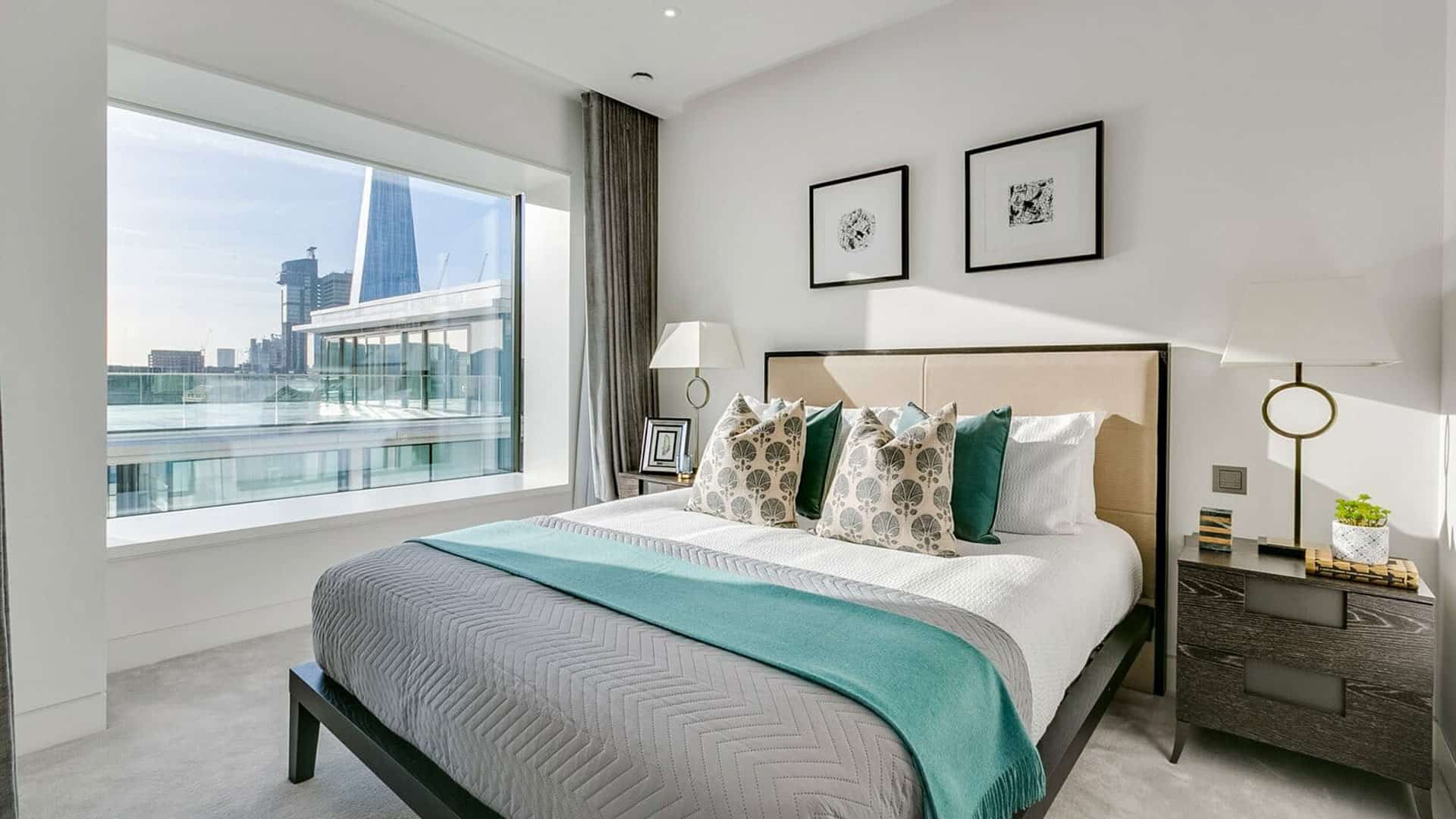
The windows of your home extend way beyond a built-in structural feature — they are a necessity, a functional staple, an aesthetic addition, and a strong design statement that can make or break a room.
So, whether you’re designing your home from scratch or just looking to give it a quick refresh, window treatments are one of the vital elements that can contribute to a beautiful interior. What’s more, they provide your home with functionality, practicality, and privacy, along with tons of other benefits that we’ll discuss in this article.
Why Are Window Dressings So Important?
The innumerable benefits of window dressings explain why they are a worthwhile investment of both time and money.
Below we’ve rounded up some of the top reasons that justify the emphasis interior designers put on them.
They Provide Privacy
No one feels comfortable with the thought that someone standing outside can get a clear view of what’s going on inside their house. This creates anxiety not only in terms of privacy invasion but also as a threat to safety. Think of when you travel. If you’ve gone for a few weeks, you probably ask a friend to drive your car around — or do anything else that shows some signs of activity. But these protective manoeuvres fail to work if you don’t have appropriate barriers, like shutters, to block people from peeking into your home.
And, of course, privacy matters equally when living in the house, too. Having the shutters down can prevent unwanted onlookers from tracking any and every activity of yours, including intimate things like getting dressed after a shower and important activities like sorting out money to manage your monthly budget.
How To Leverage: Try installing plantation shutters to obstruct sightlines while also allowing in a hint of light. Woven wood shades are also a suitable option.
They Offer Protection
Everyone makes sure to apply sunscreen and wear a sunhat to protect themselves from UV rays whenever stepping outside. But what about the strong sunlight that finds its way into your home during the afternoon? The UV rays they carry are equally harmful, and therefore, installing a blockage, whether blinds or shutters, can definitely help.
How To Leverage: Although all window dressings offer protection against UV rays, choices like cellular shades (sometimes referred to as Honeycomb shades) are better adapted for this task, as they are capable of absorbing up to 99% of harmful rays. You may also consider using window films (a thin translucent vinyl or polyester strip clung to your window’s glass) or tinted windows to perform the same function.
They Save You Money
This might seem uncommon, but window treatments really do save you money — and you’ll especially appreciate this if you’re a new homeowner who’s already stuck in a financial crisis of mortgage payments, insurance premiums, and so much more.
By covering the areas with direct access to the outdoors, window coverings prevent heat and cold from seeping indoors. This helps arrest the major culprit, as in the Midday Sun, from forcing your heating/cooling systems to work harder.
How To Leverage: For good control over temperature, consider layering your window treatments. Roman shades, for example, tucked beneath linen drapery, will provide incredible functionality while also creating a stunning visual appeal. Such layering will even allow you to adjust the lighting levels according to your needs; you can close the drapes and open the shades for a touch of natural light without direct exposure or close both layers for extra coverage.
They Liven Up The Space
Apart from being a practical decor element that offers protection and privacy, window dressings also serve as an appealing addition to your interior. Just like a dish without salt tastes unfinished or an outfit without accessories looks drab and dull, a room never looks complete and perfect without the right window treatments. These panels of fabric act as the eyelashes of a room.
The right window coverings introduce elegance, character, and personality to a space. They are also responsible for adding softness, warmth, and an inviting feel to liven up an otherwise flat, sterile room.
How To Leverage: Once you’ve decided the function you want your shutters or blinds to offer, it’s time to choose the design and pattern that complements the style, tone, and theme you’re looking to create.
Remember to consider the following tips to make sure your choices add value and character to the room instead of overwhelming it.
Choose the right fabric. Sheer fabrics look great in minimal rooms, and heavy picks work in traditional rooms.
Choose the right colour. Avoid picking the exact same shade as the wall’s paint; pick a complementary shade to the furniture, or go for a completely different hue to create a statement.
Choose wisely between solids and prints. If the soft furnishings of a specific room are printed, solid-coloured window dressings will work well, and vice versa.
Select the right curtain length. Curtains that fall exactly to the floor are in trend, but if you want a more dramatic look, you can opt for floor-to-ceiling drapes.
FAQs
Now that you’re familiar with the importance of window coverings, it’s time to discuss how to seamlessly incorporate them into your home — dive into our FAQ section to learn more!
Are design styles important when choosing window coverings?
Yes, the choice of window coverings varies with the theme. So, depending on the design style you’ve chosen, you can look for inspiration from the ideas discussed below.
Minimalistic: Opt for light-coloured window dressings (such as beige, grey, or white) that are not too heavy. Natural materials like bamboo or basswood plantation shutters will do the trick too.
Scandinavian: Roller shades (made of cotton or linen), as opposed to curtains or blinds, will help create a warm and soft look for a clean, well-lit Scandinavian style.
Bohemian: Since wooden furnishings and a free-style design characterise a Boho room, wooden shutters (made of faux wood or natural wood) will complement this aesthetic perfectly.
Farmhouse: Consider options like woven wood shades, cellular roller shades, wood blinds, or Roman shades (all in light colours). You may also add nature-inspired hues for a pop of colour.
Should I consider the room’s purpose when selecting window treatments?
Absolutely. A room’s purpose greatly impacts the types of window treatments.
• A tri-layered curtain is best for a living room, with the outer layer made of a light-hued cloth and the inner layers made of a thick lace and drape (respectively).
• Window treatments conducive to relaxing and sleeping are perfect for a bedroom.
• Blinds are the right choice for a kitchen, as they are easier to clean and will not soak up any smell from cooking foods.
• Faux wood blinds and shutters or vinyl roller shades can go in a bathroom because they can withstand humidity and moisture.
Conclusion
If you find a room unappealing and imbalanced, look to the windows. You’ll be surprised as to how easily yet effectively an upgradation to the window dressings can revamp and refresh the entire interior. In addition to the various functional aspects offered, they will also add a world of splendour and charm to any space.
After all, windows make up around 40% of a home, so adorning them beautifully will always translate into a generous amount of character, value, and sophistication.